If you’ve been weighing up whether to add a home battery to your solar system, the federal government’s recent overhaul of the Cheaper Home Battery Scheme is exactly the news you’ve been waiting for — and in many ways, it’s better structured than the original programme ever was.
At Sydpro Solar Solutions, our accredited team works with NSW homeowners and businesses every day who are trying to make smart, long-term decisions about their energy. So let us break down what’s changed, what it means for you, and how to make the most of it.
What Is the Cheaper Home Battery Scheme?
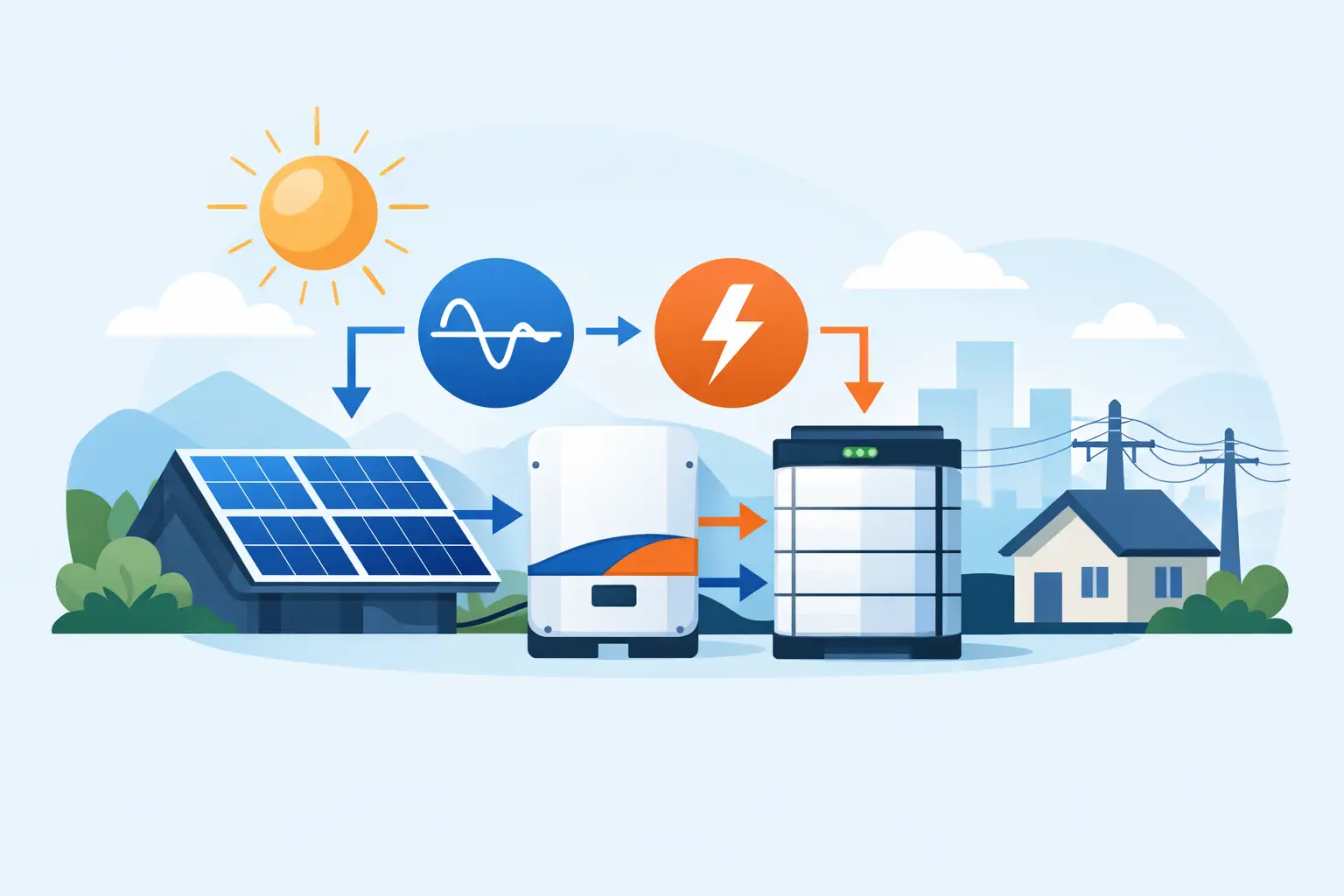
The Cheaper Home Battery Scheme is a federal government initiative designed to make battery storage more affordable for Australian households. It works by subsidising a portion of the cost of installing a home battery, reducing the upfront investment so more Australians can store the solar energy their panels generate — rather than sending it back to the grid for a shrinking feed-in tariff.
The scheme has been enormously popular. Well over 150,000 Australian homes have already had batteries installed under it, and the take-up has been so strong that the government has had to significantly expand the programme.
The Four Key Changes You Need to Understand
- The Total Funding Has Been Massively Increased
The original scheme was funded to the tune of $2.3 billion — and it was on track to run out well ahead of schedule, such was the demand from Australian homeowners.
In response, the federal government has increased total scheme funding to $7.2 billion over four years, an additional $4.9 billion injection. The government now expects 2 million Australian households to install home batteries by 2030 — double the original target — adding an impressive 40 gigawatt hours of new storage capacity to the national grid.
This is a significant commitment to Australia’s energy future, and for homeowners considering solar and battery, it signals that support is not going anywhere.
- The Rebate Is Now Tiered — and That’s Actually a Good Thing
Under the original scheme, the rebate was a flat rate of roughly $350 per kilowatt hour of battery storage. While generous, this inadvertently encouraged homeowners to install oversized systems — 40 or even 50 kWh batteries — far beyond what most households could realistically use. That represented a significant waste of both public funds and physical space in people’s homes.
The updated scheme introduces a sensible tiered rebate structure:
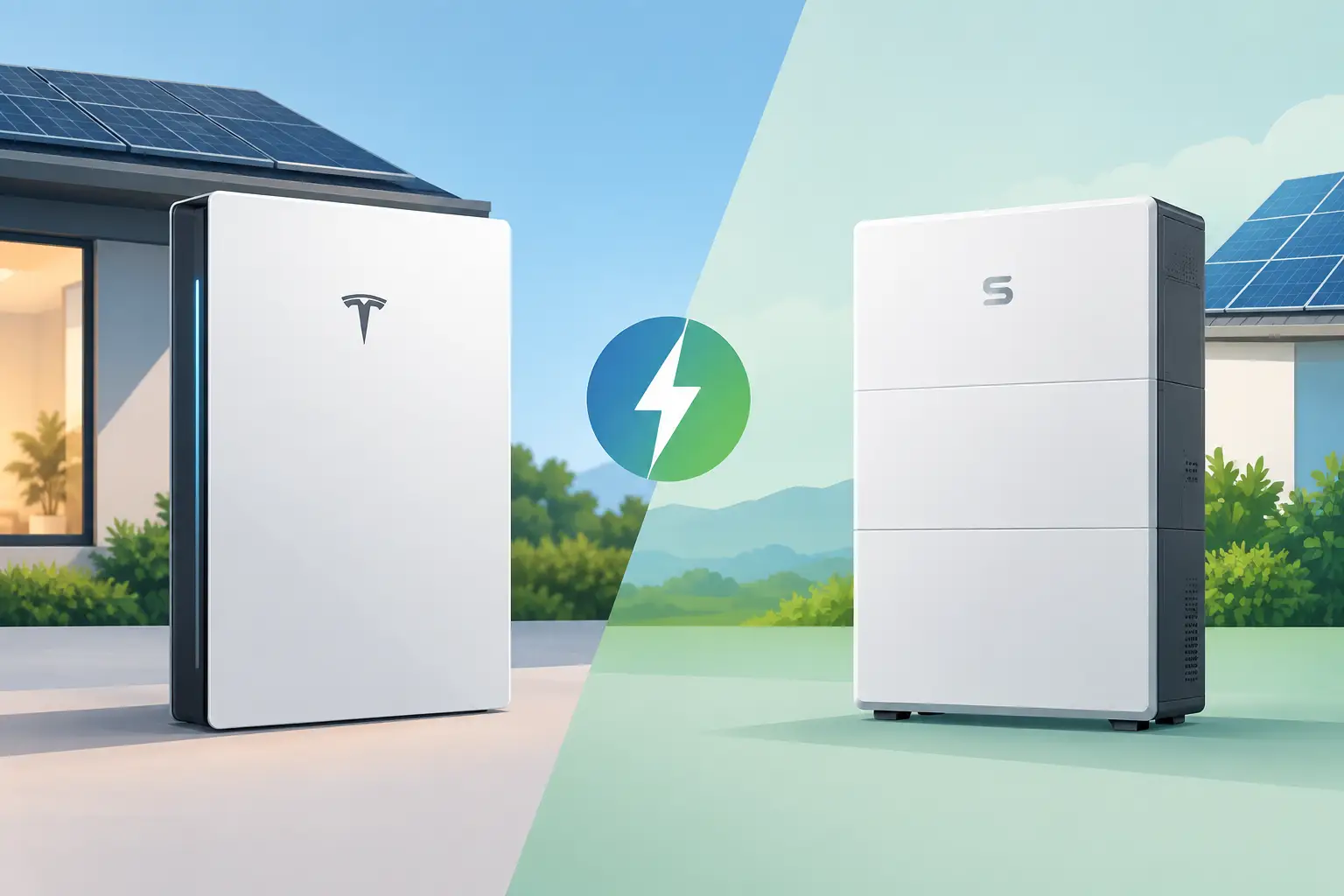
0 to 14 kWh — 100% of the rebate applies. This covers smaller systems such as a single Tesla Powerwall 3 or equivalent. If your household energy use is modest and you’re primarily looking to reduce your evening grid reliance, this tier is likely all you need.
14 to 28 kWh — 60% of the rebate applies. This is the sweet spot for the majority of Australian households, including larger homes, those with higher energy usage, electric vehicles, or ducted air conditioning. A 20–28 kWh system gives you real overnight coverage and meaningful protection against grid price spikes.
28 to 50 kWh — 15% of the rebate applies. Larger systems are still eligible, but the government is no longer heavily subsidising oversized installs. If you want a large battery to participate in wholesale electricity markets or virtual power plant (VPP) trading, you absolutely can — you’ll simply be funding more of that yourself.
This tiered structure is a sensible policy correction. It directs public money toward the size of battery that genuinely matches most household needs, without penalising those who want something larger.
- Rebate Reductions Now Happen Every Six Months Instead of Every Year
Previously, the rebate stepped down annually. Under the revised scheme, reductions happen every six months, creating a faster declining incentive over time.
The original rebate rates remain in place until the changes take effect, at which point the new tiered, faster-declining structure kicks in. The message for homeowners is clear: the best time to act is sooner rather than later. Every six-month cycle that passes means a slightly smaller rebate available to you.
- NSW Homeowners Have an Additional State Rebate Opportunity
If you’re in New South Wales, there’s a second layer of savings available to you that aligns perfectly with the new federal tiers.
The NSW Government’s own battery rebate is available to homeowners who install a battery of 28 kWh or less and agree to connect to a Virtual Power Plant (VPP). The new federal tiers effectively mirror this threshold, making a battery in the 14–28 kWh range the optimal size for maximising both state and federal support simultaneously.
Importantly, VPP participation isn’t a permanent lock-in. You can trial it, assess whether it suits your household, and make an informed decision about whether to continue. Many homeowners find the combination of VPP earnings and optimised battery use genuinely reduces their bills further.
What Battery Size Is Right for Your Home?
Every household is different, but here’s a practical guide for most NSW homes:
Small household (1–2 people, modest usage): A battery in the 10–14 kWh range will likely cover your overnight needs and capture most of what your solar system generates during the day.
Medium household (3–4 people, typical usage): A 14–20 kWh battery is a strong choice. You’ll benefit from the full lower-tier rebate (0–14 kWh) plus 60% on the remainder, and you’ll have capacity for air conditioning, appliances, and evening usage.
Larger household or higher usage (EVs, ducted AC, home office): A 20–28 kWh system gives you genuine energy independence for most of the year. This range still captures the 60% rebate tier and keeps you within the NSW state rebate threshold.
Commercial or high-consumption properties: Systems above 28 kWh may still be appropriate depending on your energy profile. Our team can run a detailed load analysis to determine whether the cost-benefit stacks up for your specific situation.
Why Now Is the Right Time to Act in NSW
Australia’s energy market is in a period of rapid change. Electricity prices are volatile, feed-in tariffs continue to fall, and the window for the most generous battery rebates is narrowing with each six-month review cycle.
For NSW homeowners in particular, the combination of federal and state incentives currently on the table represents one of the most financially compelling opportunities in the history of residential solar and storage. The government has essentially engineered the scheme to reward sensible, right-sized installations — exactly the kind of system our team at Sydpro Solar Solutions has been recommending for years.
Get the Right Advice Before You Install
With over 10 years of experience, more than 2,000 installations across New South Wales, and SAA accreditation paired with a Level 2 ASP licence, Sydpro Solar Solutions is equipped to handle every aspect of your solar and battery installation — from initial system design through to grid connection and beyond.
We carry 10-year performance warranties on our installations and have earned a consistent 5-star rating from our customers across New South Wales. Whether you’re a homeowner in Western Sydney, the Central Coast, the Illawarra, or Greater Sydney, our team brings the expertise to design a system that actually suits your household — not just the maximum rebate.
The scheme changes represent a smarter use of public money. Take advantage of them with a system that’s professionally designed, correctly sized, and built to last.
Reach out to the Sydpro Solar Solutions team today to find out exactly what you’re eligible for and how to lock in the best possible outcome before the next rebate reduction cycle.
FAQS
What is the Cheaper Home Battery Scheme?
The Cheaper Home Battery Scheme is a federal government programme that subsidises the cost of installing a home battery storage system in Australia. It reduces your upfront installation costs by providing a rebate based on the size of the battery you install, making solar and battery storage more accessible for Australian households and small businesses.
Can I claim both the federal and NSW state battery rebates?
Yes — and this is one of the best financial opportunities currently available to NSW homeowners. If you install a battery of 28 kWh or less and connect to an approved Virtual Power Plant (VPP), you can access the NSW state battery rebate on top of the federal scheme. Sydpro Solar Solutions can guide you through both applications as part of your installation process.
What battery size is best for claiming the maximum rebate?
For NSW homeowners, a battery between 14 and 28 kWh is the most financially strategic choice under the updated scheme. This range captures the full federal rebate on the first 14 kWh, 60% on the remainder, and keeps you within the threshold for the NSW state battery rebate — giving you access to two layers of savings simultaneously.
How often does the rebate reduce under the new rules?
Under the updated scheme, the rebate steps down every six months instead of annually. This means the longer you wait, the smaller the available incentive. Acting sooner locks in a higher rebate and reduces your overall system cost.
Who can install my battery system under the scheme?
To be eligible for the rebate, your battery must be installed by a Clean Energy Council accredited installer. Sydpro Solar Solutions holds SAA accreditation and a Level 2 ASP licence, meaning we are fully qualified to install your system, connect it safely to the grid, and process the necessary paperwork for your rebate.